3 Ways to End a Marriage Legally in the Philippines (And What “Legal Separation” Really Means) - Lawyers in the Philippines
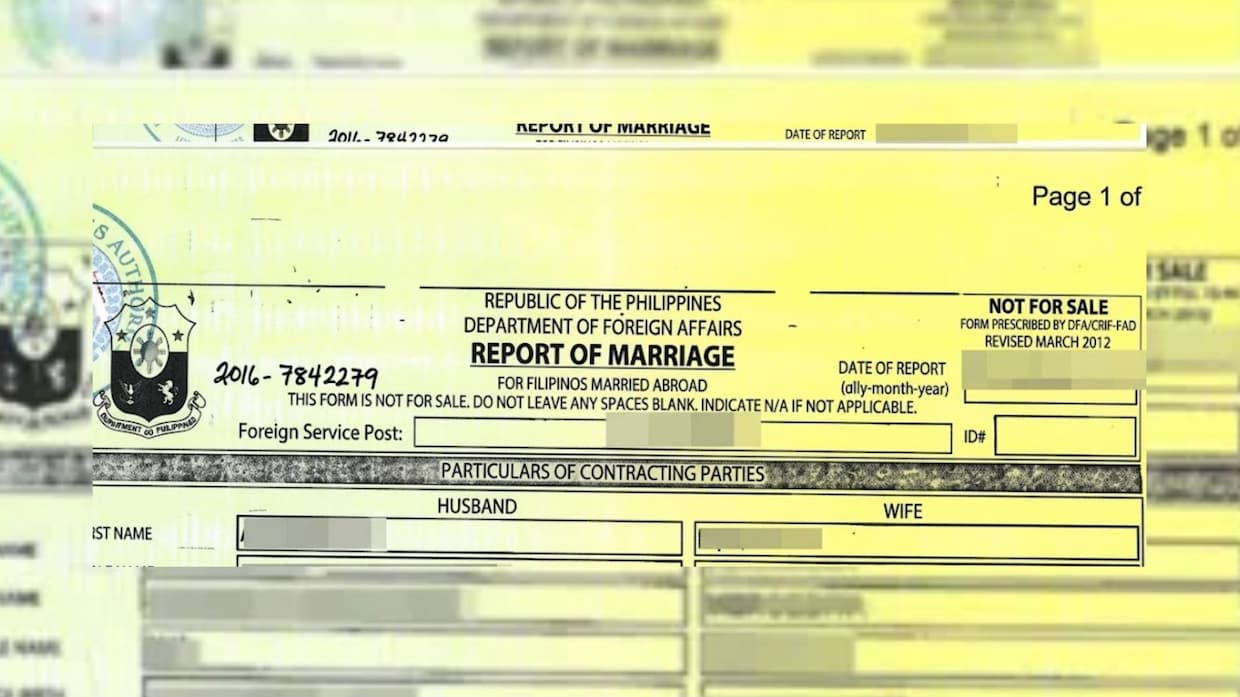

In the Philippines, divorce is not generally available under the Family Code, which often leads to confusion about how a marriage can legally be ended.
In this article, we discuss the available legal processes that can resolve a broken marriage, clarify the limits of legal separation, and explain the laws and Supreme Court rules that govern these cases.
The goal is to help you understand which remedy fits your situation and how it affects your capacity to remarry.
If you wish to discuss your case with a lawyer please contact us.

Send us an email with the details for
personalized recommendations or schedule a consulation if needed.

There are a number of ways to end a marriage in the Philippines.
Yes—although most Filipinos cannot file for absolute divorce under the Family Code, you can still legally resolve a broken marriage through (1) judicial recognition of a qualifying foreign divorce, (2) declaration of nullity for a void marriage, or (3) annulment for a voidable marriage, and each can restore the legal capacity to remarry once final and properly recorded.
- Many people search “legal separation Philippines” when what they really want is to end the marriage bond and remarry.
- The Philippines still has no general absolute divorce law for most Filipinos, but divorce exists for Filipino Muslims under P.D. No. 1083 (Code of Muslim Personal Laws), and foreign divorces can be recognized in limited circumstances.
- In practice, your first step is not “choose a label,” but “match facts to the correct remedy.”
- Foreign documents and citizenship timing often decide the correct route, especially for OFWs and mixed-nationality couples.
TL;DR: Divorce is not generally available for most Filipinos, but you can still legally end a marriage through recognition of foreign divorce, nullity, or annulment, depending on your facts.
Action: Email admin@lawyerphilippines.org with your marriage date/place, both spouses’ citizenships (including any changes), children, and where you currently live, so we can help you identify the correct remedy and document checklist.
Other than the death of a spouse, there are three practical legal routes that can end a marriage in a way that restores the capacity to remarry: (1) Recognition of Foreign Divorce, (2) Declaration of Nullity of a Void Marriage, and (3) Annulment of a Voidable Marriage.
- Recognition of foreign divorce: A Philippine court recognizes a qualifying foreign divorce so the Filipino spouse can remarry under Philippine law (Family Code, Article 26[2] and jurisprudence).
- Declaration of nullity (void marriage): For marriages void from the beginning under the Family Code, including psychological incapacity under Article 36.
- Annulment (voidable marriage): For marriages valid at the beginning but voidable due to specific grounds under Article 45.
- Each route is a court process and usually ends with civil registry and PSA annotation so your records match your legal status.
TLDR: The three routes are recognition of foreign divorce, declaration of nullity, and annulment, and each can lead to the capacity to remarry once final and properly recorded.
Action: Email admin@lawyerphilippines.org and ask for the “Which route fits me?” checklist so you don’t lose time filing the wrong case.
Legal separation is a Philippine remedy that allows spouses to live separately and typically dissolves/liquidates the property regime, but it does not dissolve the marriage bond—so neither spouse may remarry because they remain married to each other.
- This is one of the most common misunderstandings: “legal separation” sounds like “ending the marriage,” but it is not.
- Legal separation can still be useful when the goal is protection, enforceable boundaries, and property consequences, especially in fault-based situations.
- If your goal is remarriage, legal separation is usually not the correct remedy; you need recognition, nullity, or annulment.
- Some spouses use legal separation when they need enforceable orders now, even while considering longer remedies.
TLDR: Legal separation can separate lives and property, but it does not end the marriage bond, so it does not allow remarriage.
Action: Write one sentence: “I want to remarry” or “I want property/custody protection”—that sentence determines the correct case to file.
These cases are governed by the Family Code (E.O. No. 209, as amended) plus Supreme Court rules that set the procedure for nullity, annulment, and legal separation, and rules on proving foreign judgments and foreign law for recognition cases.
- Family Code (key provisions): Article 26(2), Article 36, Article 45, and Article 63.
- Supreme Court procedural rules: A.M. No. 02-11-10-SC and A.M. No. 02-11-11-SC.
- For Filipino Muslims: divorce is recognized under P.D. No. 1083, subject to Shari’a court processes.
TLDR: The Family Code gives the grounds, Supreme Court rules control procedure, and Muslim personal law provides a separate divorce framework for Filipino Muslims.
Action: If you have foreign documents, request certified copies and authentication early—foreign paperwork is often the slowest part.
Can I get a divorce in the Philippines if both of us are Filipino?
For most Filipinos under the Family Code, there is still no general absolute divorce law, so a divorce obtained abroad while both spouses are Filipino usually will not, by itself, change your civil status in the Philippines. The main court route involving a foreign divorce is the recognition of a qualifying foreign divorce under Article 26(2), which generally requires a foreign spouse and proof of the foreign divorce law. There is a separate divorce framework for Filipino Muslims under P.D. No. 1083 (Code of Muslim Personal Laws), handled through Shari’a courts. Because this is highly fact-sensitive, you should not plan a remarriage or property transfer based on assumptions.
Action: Gather your PSA marriage certificate and any foreign divorce papers you already have, then schedule a case screening with a family lawyer.
Does legal separation allow me to remarry?
No. Legal separation does not dissolve the marriage bond, so neither spouse can remarry while the other spouse is alive. It can still be useful to create enforceable boundaries (living separately, support, custody structure) and to address property consequences, but it is not the remedy for someone who wants to marry again. If your goal is remarriage, you should ask about recognition of foreign divorce (if eligible), nullity, or annulment instead.
Action: Write down your exact goal (“remarry” or “property/protection only”) and bring that statement to your first consultation.
How long do recognition of foreign divorce, annulment, or nullity cases usually take?
Timelines vary widely depending on court congestion, whether the case is contested, and how complete and admissible your documents are. Recognition of foreign divorce can be faster than annulment or nullity when the decree, proof of finality, and admissible proof of the foreign divorce law are ready at filing, but missing foreign-law proof often causes delays. Annulment and nullity may take longer because they typically involve multiple hearings and witness testimony, and disputes about property or children can add more time. Your timeline becomes more predictable when your evidence is organized and your filings are clean.
Action: Ask your lawyer for a written timeline map (pre-filing, filing, hearings, decision, and annotation) for your specific route.
How much does it usually cost?
Costs depend on filing fees, possible publication costs, lawyer’s professional fees, document procurement, and the number of hearings. Article 36 cases may involve additional professional services such as evaluations and expert testimony, which can increase expense. There is no single “standard fee” that is accurate for all cases because venue, complexity, and whether the case is contested can change the workload significantly. The best way to control cost is to avoid postponements by completing documents early and preparing witnesses properly.
Action: Request a written fee breakdown that separates court fees, document costs, and professional fees, and ask what factors could increase the total.
Do I need my spouse’s cooperation to file?
Not always. Many cases proceed even if the other spouse refuses to cooperate, as long as summons and notice requirements are complied with and the court is satisfied there is no collusion. Cooperation may still help with property division and parenting arrangements, but it is not a legal prerequisite for filing in every case. If your spouse is abroad or cannot be located, additional service steps may be needed, which can add time.
Action: Provide your lawyer the spouse’s last known address, contact details, and any proof of residence abroad to plan service correctly.
I have children—will these cases decide custody and support too?
These cases often involve child-related arrangements because separation changes daily care and financial needs. Courts can issue orders or approve agreements on custody, visitation, and support, guided by the child’s best interests, but the exact handling depends on what is raised and proven in the case. Even if your main petition is about civil status, a clear parenting plan and a realistic budget for support make the case more stable and practical. You should also consider how schooling, healthcare, and travel will work in real life.
Action: Draft a one-page parenting plan (weekly schedule, school, healthcare, expenses, and proposed support) before your consult.
What if my spouse is missing—can I remarry?
A missing spouse situation may be addressed through a separate legal process involving presumptive death for purposes of remarriage, but strict requirements apply and courts typically require proof of diligent efforts to locate the missing spouse. “Missing” is not the same as “no contact,” and relying on informal assumptions is risky because any later marriage can be affected if the correct legal steps were not followed. Documentation of search efforts and communications is crucial, and the correct remedy depends on the facts and time periods involved.
Action: Create a file of all search efforts (reports, messages, affidavits, addresses checked) and consult a lawyer before taking any step toward remarriage.
Will my PSA records update automatically after I win?
No. A court decision does not automatically update PSA records; you usually need to secure the decision’s finality and then complete registration and annotation through the correct civil registry pathway. Many people get stuck because they win the case but do not finish annotation, leaving the PSA marriage record unchanged for transactions and future marriage applications. Treat annotation as the final required stage of the case, not an optional extra.
Action: After judgment, ask for a post-judgment checklist and set a target date for completing annotation.
If I divorced abroad, am I automatically free to remarry in the Philippines?
Usually no. For Filipino citizens, a foreign divorce generally must be judicially recognized in the Philippines before it affects Philippine civil status and PSA records, and courts usually require proof of the divorce and proof of the foreign divorce law that allowed it. Many petitions are delayed because people submit only the divorce decree without admissible proof of foreign law, or without clear proof of citizenship timing at the time of divorce. If your goal is to remarry in the Philippines or fix your PSA record, recognition and annotation are typically necessary steps.
Action: Obtain certified copies of your divorce decree and proof of finality, then ask a lawyer what form of foreign-law proof the court will accept for your country.
Is psychological incapacity the same as having a mental illness diagnosis?
Not exactly. Psychological incapacity under Article 36 is a legal concept focused on inability to assume essential marital obligations, and while clinical diagnoses and expert testimony can help, courts evaluate the totality of evidence and the legal standard rather than relying only on labels. Some cases succeed because the facts and patterns are clearly proven through credible testimony and documentation, not because a dramatic diagnosis was used. What matters is seriousness, rootedness, and connection to the time of marriage, shown through organized proof.
Action: Start a dated timeline of key incidents and supporting documents, and bring it to counsel for assessment before pursuing any evaluation.